When you walk into a boutique gift shop in Sydney, you might notice a row of beautifully arranged hampers, each adorned with a ribbon that reads “Eco‑Friendly.” It’s not just a marketing gimmick; it’s a reflection of a deeper shift in consumer values. This article dives into the why behind Australian brands’ focus on sustainability in hampers, exploring the environmental, economic, and cultural forces that drive this trend.
The Green Shift: Consumer Demand Meets Brand Responsibility
A Growing Appetite for Ethical Choices
Over the past decade, Australian shoppers have moved from “nice to have” to “must‑have” when it comes to ethical products. Surveys show that BBQ hampers 68 % of consumers say they prefer brands that demonstrate environmental stewardship. This shift is not about a single generation; it’s a generational consensus.
- Eco‑consciousness: People want products that minimize harm. Transparency: Consumers demand clear supply‑chain information. Community impact: Local sourcing is seen as a way to support regional economies.
These factors create a fertile ground for brands to position https://kameronfeve937.theburnward.com/gift-hamper-no-next-day-delivery-how-to-find-the-perfect-surprise-without-the-rush themselves as sustainable leaders.
The Role of Social Media and Influencers
In a world where a single Instagram post can trend worldwide, Australian brands use social platforms to showcase their green credentials. Influencers often feature hampers made from recycled materials or items sourced from fair‑trade farms. The visual appeal of a sustainably packaged hamper is instantly shareable, turning everyday gifting into a viral moment.
Materials That Matter: From Recycled Paper to Organic Cotton
Packaging That Doesn’t Leave a Trace
One of the first decisions brands make is how to package the hamper. Traditional cardboard is fine, but the real game‑changer is the use of biodegradable or recycled materials. Brands now offer:
- Recycled paper boxes that can be composted. Biodegradable twine made from natural fibers. Reusable baskets that double as storage.
These choices reduce landfill waste and resonate with eco‑savvy consumers.
Product Selection: Local and Organic
The items inside the hamper are just as important as the wrapper. Australian brands often source:
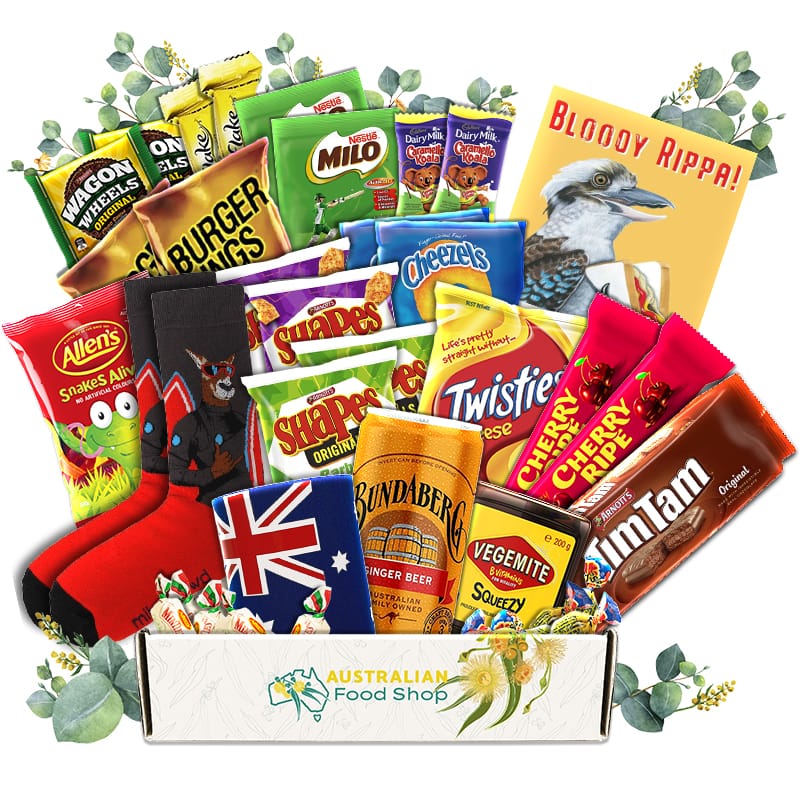

- Local honey from sustainable apiaries. Artisanal cheeses from farms using regenerative practices. Organic teas grown without synthetic pesticides.
By highlighting local, organic ingredients, brands tell a story of stewardship that extends beyond the product itself.
Economic Incentives: Profit and Purpose
Cost‑Savings Through Local Sourcing
It might seem counterintuitive that sustainability can be cheaper. However, local sourcing cuts transportation costs, reduces carbon footprints, and often results in fresher products that command higher prices. A recent case study showed a boutique in Melbourne saving 12 % on logistics by partnering with nearby producers.
Brand Loyalty and Premium Pricing
Consumers are willing to pay a premium for products that align with their values. According to a 2023 market report, 52 % of Australians would pay up to 15 % more for a sustainably packaged hamper. This willingness translates into higher profit margins and a loyal customer base.
Cultural Resonance: A National Identity
The Aussie Love for the Land
Australia’s deep connection to the outback and its natural beauty fuels a national pride in protecting the environment. This cultural backdrop makes sustainability a natural extension of Australian identity. When a brand promotes eco‑friendly hampers, it taps into a shared narrative of caring for the land.
The “Fair Go” Ethic
Australia’s “fair go” philosophy encourages equal opportunity and fairness. By offering sustainably sourced hampers, brands demonstrate fairness to both people and the planet. This alignment with national values strengthens brand authenticity.
An Anecdote That Speaks Volumes
When I visited a small town in Tasmania, I met a local farmer who had turned his orchard into a community garden. He told me, “We grow for the earth, and the earth grows back for us.” He handed me a basket of heirloom tomatoes, wrapped in a biodegradable bag. That simple exchange made me realize that sustainability isn’t a buzzword—it’s a way of life that starts with everyday actions like gifting.
A Quote to Remember
“People will forget what you said, but they’ll never forget how you made them feel.” – Maya Angelou
This quote underscores why sustainability in hampers matters: it’s not just about the product; it’s about the emotions and values it evokes.
Rhetorical Questions That Spark Thought
- Have you ever wondered how a simple hamper could change the world? What if the next gift you give could also give back to the planet? Isn’t it time brands listened to the silent call of the environment?
Metaphors and Idioms to Illuminate
Sustainability in hampers is like a garden: you plant seeds of responsibility, nurture them with ethical sourcing, and reap a harvest of trust and loyalty. Brands that master this garden are the ones that will bloom in the long run.
Making Your Selection Count
How to Choose a Sustainable Hamper
- Check the packaging: Look for recycled or biodegradable materials. Ask about sourcing: Does the brand partner with local producers? Look for certifications: Fair‑trade, organic, or B‑Corp logos add credibility. Consider the story: A well‑told narrative enhances the emotional connection.
Why It Matters
Choosing a sustainable hamper sends a clear message: you care about the planet, the people who create the products, and the community you belong to. It’s a small act with a ripple effect, turning everyday gifting into a statement of values.
By understanding why Australian brands emphasize sustainability in hampers, you can make informed choices that align with your values and support a greener future. The next time you reach for a gift, remember that the most thoughtful presents are the ones that nourish both people and the planet.